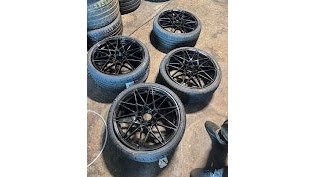
 comparison
Wheel Alignment vs Balancing: Key Differences
Table of Contents
- What Is Wheel Alignment?
- What Is Wheel Balancing?
- Key Differences Between Wheel Alignment and Balancing
- Signs of Bad Wheel Alignment
- How Long Does Wheel Alignment Take?
- Tyre Wear Patterns Explained
- Why Both Services Matter for Your Vehicle
- Professional Wheel Alignment and Balancing at Dalin Car Care
- Frequently Asked Questions
Last Updated: September 27, 2026
What Is Wheel Alignment?
Wheel alignment is the process of adjusting your vehicle's suspension angles to match the manufacturer's specifications. When your wheels are properly aligned, they point in the correct direction relative to your car's body and the road surface.
The alignment process focuses on three main angles: camber (the tilt of the wheel), caster (the angle of the steering pivot), and toe (whether the wheels point straight or inward/outward). At Dalin Car Care in Dagenham, we use industry-standard facilities to measure these angles precisely and adjust them back to factory settings when needed.
Proper wheel alignment affects how your car handles, how your tyres wear, and how much fuel you use. Misalignment forces your tyres to fight against the road, creating drag and uneven wear patterns that shorten tyre life considerably.
What Is Wheel Balancing?
Wheel balancing is the process of equalising the weight distribution around your tyre and wheel assembly. When a wheel is out of balance, heavier spots create vibration as the wheel spins, which you feel through your steering wheel or seat.
Balancing involves adding small weights to the wheel rim to counteract any heavy spots. Modern balancing machines detect these weight imbalances and show technicians exactly where to place the weights for perfect equilibrium. The goal is smooth, vibration-free driving at all speeds.
Unlike alignment, balancing doesn't affect how your car handles corners or how straight it drives. It purely addresses the rotational balance of each wheel independently. Most vehicles benefit from regular rebalancing, especially after tyre replacement or puncture repairs.
Key Differences Between Wheel Alignment and Balancing
The wheel alignment balancing difference is fundamental: alignment corrects directional angles, while balancing corrects rotational weight distribution. These are two separate services addressing completely different problems.
| Aspect | Wheel Alignment | Wheel Balancing |
|---|---|---|
| What It Adjusts | Suspension angles (camber, caster, toe) | Weight distribution on wheel rim |
| Main Symptom | Steering pulls left or right | Vibration in steering wheel or seat |
| How Often Needed | Annually or after impact | Every 10,000-15,000 miles |
| Affects Tyre Wear | Yes, significantly | Minimally |
| Affects Fuel Economy | Yes, noticeably | No |
| Equipment Used | Alignment rig with cameras/sensors | Wheel balancing machine |
Alignment is about geometry and suspension setup. Balancing is about weight distribution on a spinning wheel. A car can be perfectly aligned but still vibrate if the wheels are out of balance. Conversely, perfectly balanced wheels won't fix a pulling steering wheel caused by misalignment.

Signs of Bad Wheel Alignment
Several clear symptoms indicate your wheel alignment needs attention. The most obvious is steering pull: your car drifts left or right even when you're holding the wheel straight. This pull gets worse at higher speeds and is especially noticeable on motorways.
Uneven tyre wear is another telltale sign. Misalignment causes one edge of the tyre to wear faster than the rest, creating a distinctive wear pattern. Look at the inner or outer edge of your tyres, if one side is noticeably more worn than the other, alignment is likely the culprit.
Your steering wheel may feel off-centre or sit at an odd angle when driving straight. Some drivers notice the steering wheel vibrates or feels loose. Your vehicle might also feel unstable or "wandery" when cornering, as if it's fighting against the road.
If you've hit a pothole, kerb, or been in a minor collision, check your alignment immediately. Dagenham roads and surrounding areas in Romford and Hornchurch can be rough on suspension geometry. Even small impacts can throw alignment out.
How Long Does Wheel Alignment Take?
Professional wheel alignment typically takes a reasonable amount of time, depending on your vehicle's condition and how far out of alignment it is.
The process starts with a diagnostic scan using alignment equipment. The technician drives your car onto the alignment rig, which uses cameras and sensors to measure all three angles. If adjustments are needed, the technician loosens the suspension bolts, makes fine adjustments, and rechecks until the angles match specifications.
Some vehicles are more complex. Four-wheel-drive cars, vehicles with adjustable suspension, or cars with previous damage might take longer. If your alignment is severely out or suspension components are worn, additional time might be needed for repairs before alignment can be completed.
At Dalin Car Care, we aim to complete alignment work efficiently. We serve customers throughout Dagenham, Barking, Becontree, Ilford, and Rainham, and we understand that keeping your car is important.
Tyre Wear Patterns Explained
Tyre wear patterns are a diagnostic tool that reveal what's happening with your suspension and alignment. Learning to read these patterns helps you catch problems early before they become expensive.
Centre wear: The middle of the tyre wears faster than the edges. This usually means overinflation. Check your tyre pressure and deflate to the manufacturer's recommended PSI. This is the most common wear pattern and the easiest to prevent.
Edge wear: Both outer edges wear faster than the centre. This indicates underinflation. Underinflated tyres flex more, creating heat and wear on the edges. Check pressure and inflate to specification.
One-edge wear: Only the inner or outer edge wears quickly. This is a classic alignment problem. Inner edge wear suggests negative camber (wheel tilts inward). Outer edge wear suggests positive camber (wheel tilts outward). Either way, alignment adjustment is needed.
Feathering: The tread ribs wear at an angle, creating a sawtooth pattern when you run your hand across the tyre. Feathering indicates the toe is misaligned, the wheels aren't pointing straight. This is purely an alignment issue.
Cupping or scalloping: The tyre develops wavy dips around the circumference. This usually indicates suspension problems rather than alignment, worn shocks, struts, or springs. Sometimes it's related to severe misalignment combined with worn suspension.
Understanding these patterns helps you explain the problem to your technician. When you bring your car to Dalin Car Care in Dagenham, describe what you see on your tyres. We'll diagnose whether it's alignment, balancing, pressure, or suspension wear.
Why Both Services Matter for Your Vehicle
Your vehicle's suspension is a system. Wheel alignment and wheel balancing work together to keep your car safe, comfortable, and efficient. Neglecting either one creates problems that compound over time.
Proper alignment protects your tyres from premature wear. Misaligned wheels scrub sideways against the road, generating heat and wearing rubber far faster than normal.
Professional Wheel Alignment and Balancing at Dalin Car Care
At Dalin Car Care in Dagenham, we provide both wheel alignment and wheel balancing services using industry-standard facilities. Our technicians are trained to identify which service you need and explain the difference clearly.
Frequently Asked Questions
What is the main difference between wheel alignment and wheel balancing?
Wheel alignment adjusts the angles of your wheels to manufacturer specifications so they sit correctly on the road. Wheel balancing distributes weight evenly around the tyre and wheel assembly to eliminate vibration. Alignment fixes handling and tyre wear; balancing eliminates steering wheel shake. Both are essential, but they address different problems. Dalin Car Care provides both services to keep your vehicle safe and comfortable.
How do I know if my car needs wheel alignment or balancing?
Your car needs wheel alignment if you notice the steering wheel pulling to one side, uneven tyre wear, or the vehicle drifting when you release the steering wheel. You need wheel balancing if you feel vibration in the steering wheel at certain speeds, typically above 50 mph, or if your seat vibrates. Sometimes both services are needed. Have your tyres inspected by a professional to determine which service your vehicle requires.
Can bad wheel alignment cause vibration?
Bad wheel alignment typically causes pulling, drifting, and uneven tyre wear rather than vibration. However, severe alignment problems can contribute to suspension stress that may feel like vibration. Vibration is usually a sign of wheel balancing issues, bent wheels, or tyre damage. If your steering wheel vibrates, have both alignment and balance checked. Dalin Car Care can diagnose the exact cause and recommend the right solution.
How often should I get my wheels aligned?
Most vehicles benefit from regular wheel alignment. You should also have alignment checked after hitting a pothole, kerb, or experiencing suspension work. Proper alignment extends tyre life, improves fuel efficiency, and keeps your vehicle handling safely. If you notice pulling or uneven wear, don't wait, book an alignment check with Dalin Car Care to prevent further damage.
What happens if I ignore wheel alignment issues?
Ignoring wheel alignment problems leads to rapid, uneven tyre wear that shortens tyre life and increases replacement costs. Poor alignment also reduces fuel efficiency, causes the vehicle to pull or drift, and puts extra stress on suspension components, which can become expensive to repair. Over time, it compromises safety and handling. Addressing alignment early prevents these cascading problems and keeps your vehicle safe on the road.
Is your steering pulling to one side, or do you feel vibration through your wheel? Dalin Car Care provides professional wheel alignment and balancing services in Dagenham and throughout the surrounding areas. Our experienced technicians use industry-standard equipment to diagnose and fix suspension and wheel issues quickly. Book your alignment or balancing check now and experience the difference proper suspension setup makes to your driving comfort and safety.